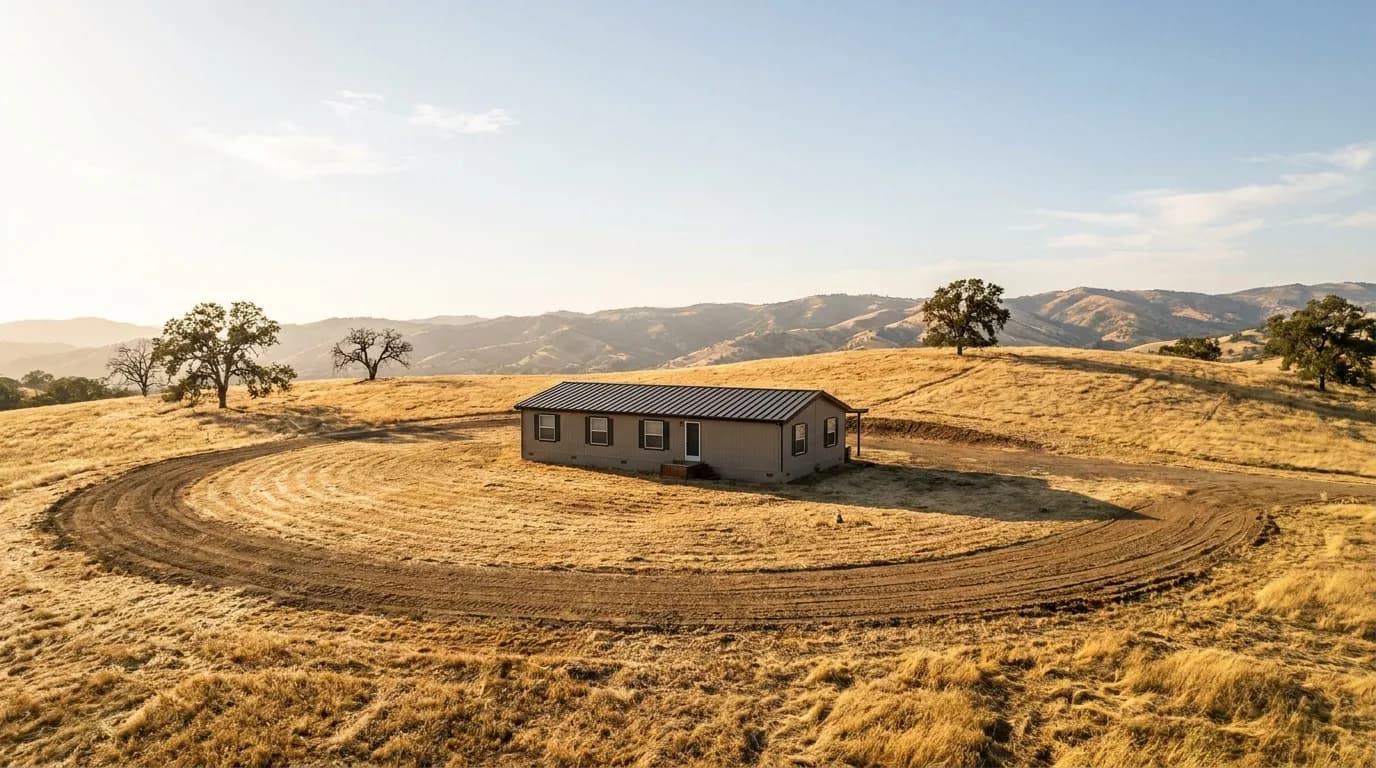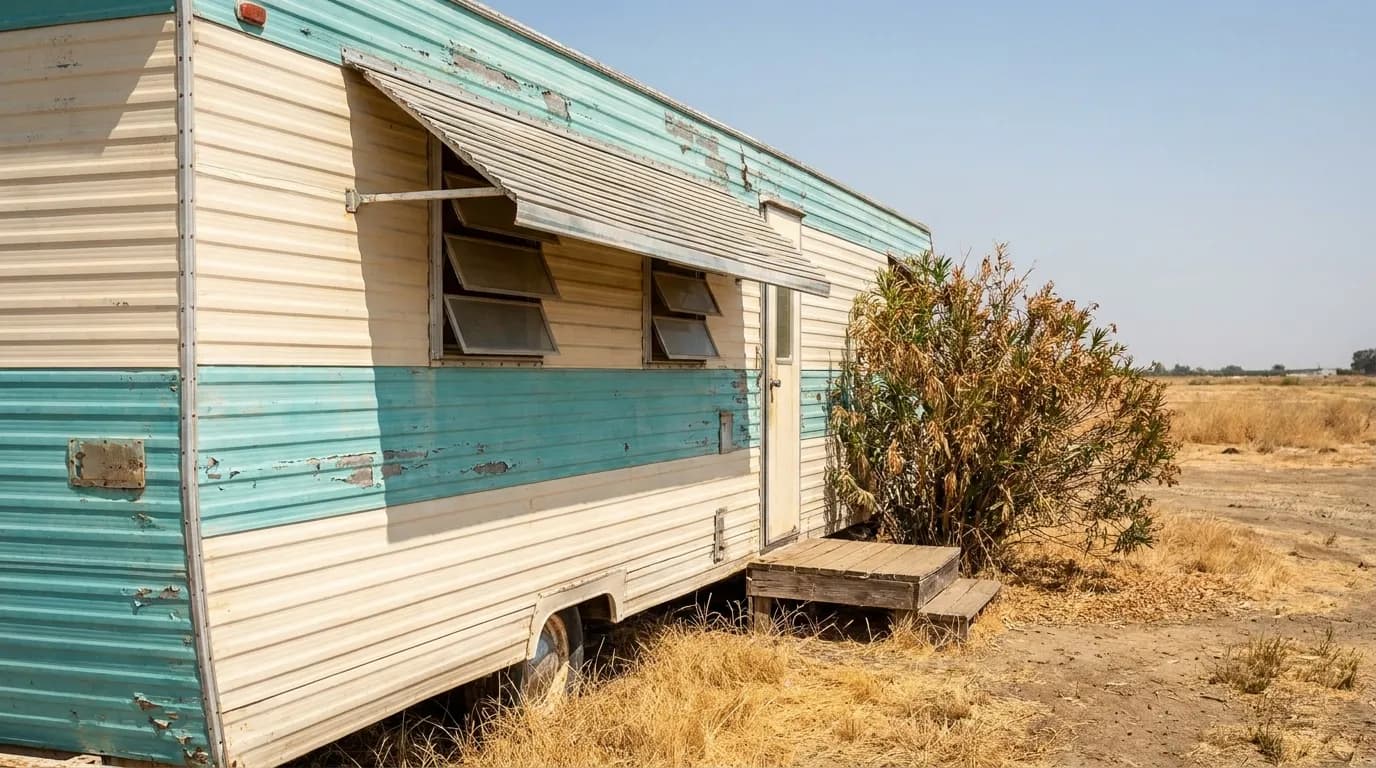
Somebody sends you a listing. Single wide, nice space, quiet community, and a price that looks too good for this market. Then you find the year: 1972.
That is not a bargain version of the same asset. It is a different asset, and the reason is a single date.
The line: June 15, 1976
On June 15, 1976, the federal Manufactured Home Construction and Safety Standards took effect. Everyone calls it the HUD Code. It is a national construction and safety standard covering structure, fire safety, energy efficiency, plumbing, heating and electrical systems, and it is enforced through a certification label affixed to the home.
The industry vocabulary follows the date. Housing built before June 15, 1976 is a mobile home. Housing built on or after that date, to the HUD Code, is a manufactured home. That is not marketing language. It tracks how the federal government, lenders and insurers classify the two.
California adds its own layer. Multifamily manufactured homes and mobilehomes built on or before June 15, 1976 are subject exclusively to regulation, plan review and inspection by the California Department of Housing and Community Development, statewide, regardless of where they sit. Alterations and installations on these homes route through HCD rather than through a local building department in the way a site built home would.
The part that has no workaround
A pre-1976 home cannot be retroactively certified to the HUD Code.
You can rewire it, reroof it, replumb it, insulate it and make it a genuinely nice place to live. You cannot make it a HUD Code home, because certification happened at the factory under a federal inspection regime that no longer applies to it.
That permanence is what makes this a structural issue and not a condition issue. Everything below follows from it.
Financing
This is where most pre-1976 purchases actually get decided.
Federal housing programs are generally built on HUD certification. Loans through FHA, VA and USDA, and the conventional manufactured housing programs, typically require the home to have been built to the HUD Code, which a pre-1976 home by definition was not. That closes off most of the low rate, long term lending channel.
What remains is the chattel market, and it is narrow here. Lenders willing to consider a home this old commonly ask for a substantially larger down payment, price it at a higher rate, and shorten the term, often to something in the range of ten to fifteen years rather than twenty or more. Many will not quote it at all, and some set a hard cutoff by model year that sits above 1976.
The practical result is that pre-1976 homes in California trade heavily as cash transactions. That is not a rumor, it is a consequence of the lending rules.
If you are a cash buyer, that is not necessarily a problem. It is even leverage, because you are competing in a small pool. If you need financing, get a real conversation with a lender about the specific model year before you make an offer, not after. That is what our lender resources page is for.
Insurance
Insurers look at the same date for related reasons. An older home is likely to have original electrical, original plumbing, an original roof and original heating, and the claims history on those systems is what carriers price.
Expect a shorter list of willing carriers. Expect more questions about updates, and expect them to matter: documented electrical, roof, plumbing and heating updates change the conversation more than cosmetic work does. Expect actual cash value rather than replacement cost to be on the table more often, which means a total loss may pay considerably less than what it costs to replace the home.
Add the Sacramento region's wildfire picture on top of that and the availability question gets sharper still. We go through carriers, the FAIR Plan and the 2025 hazard mapping in insuring a manufactured home here.
The rule for buyers is simple and it is non negotiable: get a written insurance quote on the specific home before you commit. Not a general quote for the community. That one.
Placement, and why you probably cannot move it
If the home stays exactly where it is, placement is not your problem. If you are thinking about buying one cheaply and moving it into a nicer community, understand that this is where these deals usually die.
Many California communities will not accept an incoming pre-1976 home, and a community's rules can set standards for homes brought in. Age restrictions on incoming homes are common. On top of that, moving an older home is its own risk: a home built in 1971 that has been settled on the same piers for fifty years may not survive the trip well, and the transport, permitting, setup, utility connection and skirting costs stack up quickly on an asset that is worth comparatively little to begin with.
Before you budget a move, confirm in writing that the receiving community will accept the home by model year, and get an installer to look at it.
Resale, honestly
You inherit the same constraints when you sell. Your future buyer will face the same lender list you faced, which means your buyer pool is mostly cash, which means the price reflects a cash market rather than a financed one.
That is not an argument against buying one. It is an argument for buying one at a price that accounts for it, and for not expecting the spread between a 1972 home and a 1998 home to close over time.
How to confirm what you are actually looking at
Do not trust the listing. Do three checks.
- Look for the HUD certification label. It is a small metal plate attached to the exterior of each transportable section. Its presence indicates a HUD Code home.
- Find the data plate inside, typically in a kitchen cabinet, a bedroom closet or near the electrical panel. It carries manufacturer, model, serial number and construction information.
- Check the HCD title and registration record, which is the authoritative document for a California home. Labels fall off, get painted over, or are lost in a re-side, so the absence of a label is not by itself proof of anything. The paperwork is.
While you are pulling the record, note the first sale date as well, because the July 1, 1980 property tax line is a separate question from the 1976 construction line, and pre-1980 homes may sit in the HCD registration system rather than on the county property tax roll. We untangle those two dates in how a California manufactured home is taxed.
When a pre-1976 home is actually the right buy
It can be. The honest version of the case is this: you are paying cash, you have had it inspected properly, you intend to leave it where it is, you have a written insurance quote in hand, and you are buying it as shelter with a low monthly cost rather than as an asset you expect to grow.
Under those conditions, an older home in a good Citrus Heights or North Highlands community can be a genuinely sensible purchase.
If any one of those five is missing, slow down. If you want a second opinion on a specific home before you commit, see what else is available first so you know what the alternatives really cost, or tell us about the home you already own if you are on the selling side of this.
*This article is general information about federal and California requirements and is not legal, lending or insurance advice. Lender guidelines, carrier appetite, community rules and state regulations change. Verify with HCD, a licensed lender, a licensed insurance agent and the specific community before relying on anything here.*
Sources: California HCD, Manufactured Housing laws and regulations; HUD, Manufactured Home Construction and Safety Standards, 24 CFR part 3280; HUD Office of Manufactured Housing Programs; Sacramento County Assessor, Modular, Mobile, and Manufactured Homes
Want a second opinion on your specific situation?
Every community and every home is a little different. Joe can walk through yours with you, whether you are buying, selling, or just working out whether the numbers make sense.